Garden landscaping in Holborn
Garden landscaping in Holborn needs a practical approach, a careful eye for detail, and a real understanding of how outdoor spaces work in central London. Whether you have a compact courtyard behind a period building, a shared communal garden for residents, or a small commercial frontage that needs to look smart all year round, the right landscaping service can make a noticeable difference. In an area like Holborn, where space is often limited and access can be tricky, good planning matters just as much as good planting. A well-designed garden should feel attractive, usable, and suited to the way you live or work.
Local customers in Holborn often want more than a quick tidy-up. They want an outdoor space that is easy to maintain, fits the character of the property, and adds value in everyday use. That might mean new paving for a private yard, raised beds for a shaded terrace, improved drainage for a problematic corner, or a complete refresh of planting and layout. It may also mean adapting an existing garden so it works better for entertaining, relaxing, or giving staff and visitors a more welcoming first impression. With careful garden landscaping, even modest spaces can feel purposeful and well resolved.
Because Holborn sits close to Bloomsbury, Covent Garden, Clerkenwell, Farringdon, and the City, the surrounding properties are varied. You’ll find terraces, mansion blocks, converted offices, mixed-use buildings, and hidden gardens tucked behind busy streets. That variety creates opportunities, but it also means there is rarely one standard solution. A thoughtful landscaping team will consider light levels, privacy, storage, delivery access, noise, and the everyday realities of central London life. That is what makes local expertise so valuable.
Why garden landscaping matters in Holborn

Holborn is a place where outside space is often at a premium, so every square metre has to earn its keep. A neglected garden or poorly planned yard can quickly become underused, awkward to maintain, or visually disconnected from the property itself. By contrast, a carefully landscaped garden can create a calm setting in a busy urban area, improve the look of a building, and make day-to-day use much more enjoyable. This is just as relevant for private homes as it is for offices, hotels, educational buildings, and managed residential developments.
Many local properties are older, which means their outdoor areas may come with uneven surfaces, awkward levels, patchy soil, limited drainage, or overgrown planting that no longer suits the space. Some gardens have been altered many times over the years and now lack a clear structure. Others may simply need a fresh design that better matches modern use. Garden landscaping in Holborn is often about solving practical problems first, then shaping the space so it feels balanced and attractive.
There is also the matter of presentation. In central London, outdoor areas can be seen from communal windows, neighbouring buildings, front entrances, and public routes. A tidy, well-structured garden sends the right message immediately. It tells residents, staff, visitors, and customers that the property is cared for. That is especially important for businesses and managing agents who want outdoor areas to remain presentable through every season.
What local customers usually ask for
People looking for landscaping services in Holborn are often trying to improve a very specific type of space. Some want a full redesign; others only need parts of the garden upgraded. The most common requests tend to involve clearer layout, easier maintenance, better planting, and more attractive surfaces. In a neighbourhood where buildings are close together, the right solution often needs to deliver both beauty and practicality without creating unnecessary upkeep.
Typical requests include:
- Courtyard garden design for compact residential plots
- Planting plans that work in shade, partial shade, or exposed roof-level areas
- Patio and paving improvements for sitting, dining, or circulation
- Raised beds and planters for structure and seasonal colour
- Lawn replacement with low-maintenance alternatives
- Privacy screening for overlooked gardens and terraces
- Drainage improvements for areas that hold water after rain
- Soft landscaping for communal courtyards and managed blocks
For commercial clients, the priorities can be different. Offices near Holborn often want an entrance area that feels polished and professional. Hospitality venues may need planting that looks inviting but remains manageable. Educational, healthcare, and multi-occupancy buildings may need robust, low-risk landscaping that stands up to regular use. The right design depends on who uses the space and how often it needs to perform.
Services included in garden landscaping
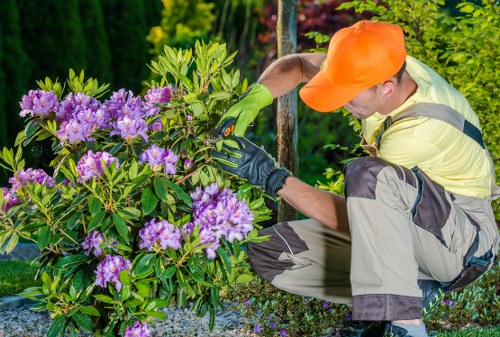
Garden landscaping is more than planting a few shrubs. A complete service can cover the planning, construction, finishing, and aftercare needed to transform an outdoor space properly. The exact scope will depend on the property, the condition of the existing garden, and the result you want to achieve. In Holborn, where access and space can be limited, an organised approach makes the whole process much smoother.
Services may include hard landscaping, soft landscaping, or a mix of both. Hard landscaping refers to the built elements of the garden, such as paving, edging, steps, walls, and structural features. Soft landscaping covers plants, soil improvement, turf, mulching, and the living parts of the design. Together, these elements create a garden that is both visually appealing and practical to use.
Depending on your project, the work may involve:
- Site assessment and layout planning
- Removal of old planting, debris, or tired materials
- Soil preparation and improvement
- Pathways, patios, and seating areas
- Raised beds, borders, and planters
- Shrub, tree, and seasonal planting
- Turfing or low-maintenance ground cover
- Mulching and weed suppression
- Drainage consideration and surface management
- Finishing touches to bring the whole space together
How the service works
A good landscaping project usually starts with an on-site look at the garden or outdoor area. This is important in Holborn because even gardens that seem similar can differ greatly in light, access, levels, and existing structure. A small courtyard behind a townhouse may need a completely different approach from a shared roof terrace or the rear outdoor space of a commercial building. The site visit helps identify what is possible, what may need careful staging, and which features will deliver the most value.
After the initial discussion, the next stage is usually a plan for layout, materials, and planting. This may include practical suggestions to help the space feel more open, more private, or easier to maintain. For example, a narrow garden might benefit from straight lines and simple materials, while a shaded courtyard may be better suited to layered planting and lighter surfaces. The aim is to create a design that works with the property rather than against it.
Once the plan is agreed, the work can be scheduled with attention to access, waste removal, and neighbouring properties. In central London, that often means keeping disruption to a minimum and organising deliveries or removals carefully. Once construction and planting are complete, the final stage is a proper finish: checking levels, cleaning the area, and making sure everything is ready for use. For many customers, this structured process is what makes the whole experience feel straightforward.
Garden landscaping for different property types in Holborn

Holborn has a wide mix of property types, and each one presents different landscaping challenges. Period homes often have charming but compact outdoor areas that need careful treatment to preserve character. Converted buildings can have small, irregularly shaped spaces that require a clever layout. Commercial properties may have external areas with a strong emphasis on presentation, safety, and ease of upkeep. The same goes for managed residential developments, where consistency and durability are often key.
For private homes, the most common goal is to create a garden that feels like a usable extension of the living space. That might mean a quiet place for morning coffee, a child-friendly zone, or a small entertaining area with enough room for seating and planting. For shared buildings, the aim is often to make the outdoor area tidy, dependable, and pleasant for all users. For businesses, the focus may be on brand image, staff wellbeing, and giving clients a positive first impression.
Because the area is so central, there may also be practical considerations beyond the property itself. Access routes may need to be planned around busy streets, narrow side entrances, restricted parking, loading times, and building management rules. A local landscaping team is more likely to understand these realities and work around them efficiently. That can save time, reduce hassle, and keep the project on track.
Design choices that work well in central London
Good landscaping in Holborn often depends on making smart design choices. In smaller gardens, clutter is the enemy. Too many materials, too many plant types, or too many awkward features can make a compact space feel even tighter. Simple lines, clearly defined zones, and a limited but thoughtful planting palette can create a much calmer result. This does not mean the garden has to feel plain; it means every feature should have a purpose.
Materials should also suit the property and the level of use. Natural stone, brick edging, timber screening, porcelain paving, gravel, and composite features all have different strengths. In shaded or enclosed spaces, lighter surfaces can help a garden feel brighter. In highly used communal areas, harder-wearing options may be more appropriate. Planting should be chosen with light levels, root space, maintenance, and seasonal appearance in mind.
Some helpful design ideas include:
- Using raised planters to create structure in small courtyards
- Adding evergreen planting for year-round form and privacy
- Choosing multi-season plants so the garden looks good for longer
- Creating a single focal point rather than overcrowding the space
- Introducing subtle lighting where appropriate for evening use
- Keeping maintenance levels realistic for the people who use the garden
The best design is not the most complicated one; it is the one that suits the space, the property, and the people who use it every day.
Preparing for your landscaping project
A little preparation can make your landscaping project run more smoothly and help the team work efficiently on site. This is especially useful in Holborn, where access may be limited and outdoor storage space is often minimal. You do not need to clear everything yourself, but it helps to know what to expect and what information is useful before work starts.
Here is a practical preparation checklist:
- Decide how you want to use the space: relaxing, entertaining, planting, or a mix of these.
- Note any problem areas, such as poor drainage, shade, uneven ground, or low privacy.
- Think about what you would like to keep, such as mature plants, pots, or existing features.
- Check access arrangements for rear entrances, side gates, shared hallways, or delivery routes.
- Let the team know about parking restrictions, building rules, or time limits that affect work.
- Clear personal items, fragile pots, and movable furniture from the working area if possible.
- Be realistic about maintenance so the finished garden suits your routine long term.
It also helps to gather a few practical reference points. You may have photos of styles you like, notes on materials you prefer, or a clear sense of whether you want a natural, formal, contemporary, or low-maintenance result. Even a short conversation about how you use the space can make a big difference. Clear expectations at the start usually lead to better outcomes at the end.
Pricing factors for garden landscaping in Holborn

Every landscaping project is different, so the cost depends on the size of the area, the condition of the site, the materials chosen, and the amount of labour involved. In Holborn, access can also influence the work required. A garden that is easy to reach at ground level will usually be simpler to work on than a roof terrace, a basement courtyard, or a space that requires careful movement through a shared property.
Other factors that may affect the project include whether old surfaces need removing, whether levels need adjusting, if drainage solutions are required, and how much planting is included. More detailed designs naturally take more time and materials. Simpler refresh projects can sometimes be completed more quickly, especially if the main need is to tidy, replant, and improve the overall finish rather than rebuild the space from scratch.
Things that commonly influence pricing include:
- Garden size and access difficulty
- Amount of clearance or demolition required
- Choice of paving, timber, gravel, or other finishes
- Plant maturity and the number of plants needed
- Complexity of the design and layout
- Need for drainage or levelling work
- Waste removal and site logistics
If you are comparing options, it is usually best to request a tailored quote based on the actual site. That way you can understand what is included and avoid surprises later. A proper quotation should reflect the real needs of the garden rather than a one-size-fits-all assumption.
Why choose a local company for Holborn landscaping
Working with a local team brings real advantages in an area like Holborn. Central London sites often require flexibility, good communication, and familiarity with local access patterns. A nearby company is more likely to understand how to manage tight streets, shared entrances, delivery timing, and the practicalities of working around busy neighbours or occupied buildings. That can make the process feel much less disruptive.
Local knowledge also helps when it comes to choosing materials and planting that suit the surroundings. Holborn gardens can be sheltered, shaded, overlooked, or exposed at roof level depending on the property. A team that regularly works in nearby areas such as Bloomsbury, Covent Garden, Farringdon, Clerkenwell, and the wider West End will have seen a wide range of similar spaces. That experience can be helpful when solving awkward layout issues or selecting finishes that suit central London conditions.
Another benefit is straightforward communication. If your project needs a site visit, a follow-up discussion, or a phased approach, it is easier when the company is used to working locally. Many customers also appreciate having a team that understands the expectations of residential blocks, commercial premises, and property managers in the area. When the work is local, the planning is often better, the logistics are easier, and the result is more closely matched to the setting.
Areas covered around Holborn
Garden landscaping services in Holborn often extend into the nearby neighbourhoods that share similar property types and access conditions. This is useful for customers who manage multiple sites or live just outside the immediate area but still want a team familiar with central London work. Nearby locations can include Bloomsbury, Covent Garden, Clerkenwell, Farringdon, Temple, St Giles, and parts of the West End.
The same approach can be useful for:
- Private houses and townhouses
- Flats and mansion blocks
- Shared courtyards and communal gardens
- Office buildings and business premises
- Hospitality venues with outdoor seating or frontage planting
- Educational, professional, and managed properties
If your property sits just outside Holborn but still has the same challenges of limited access, compact space, or a need for a tidy professional finish, a local landscaping service can usually still help. The important thing is not the postcode alone, but whether the team understands how to deliver reliable work in central London conditions.
Frequently asked questions
Can a small Holborn garden really be transformed?
Yes. Small spaces often benefit most from good landscaping because the layout, materials, and planting choices have such a visible impact. A compact garden can feel much more usable once the space is organised properly.
Do you work on both residential and commercial properties?
Many local landscaping projects in Holborn involve both. Residential customers may want private garden improvements, while commercial clients often need external areas that look smart, stay tidy, and work well for regular use.
What if the garden has poor light?
That is very common in central London. A good landscaping plan can include shade-tolerant planting, lighter materials, and layout changes that help the space feel brighter and more inviting.
Can you help with low-maintenance ideas?
Yes. Many customers want a garden that looks good without demanding constant attention. That can involve evergreen planting, simplified borders, hard-wearing surfaces, and practical ground cover.
Will access be a problem if the garden is behind a building?
Not necessarily. Access is a common issue in Holborn, but it can often be managed with careful planning. It helps to discuss entrances, gates, stairs, and loading arrangements early on.
How do I know what type of landscaping I need?
Start by thinking about how you want to use the space and what is not working now. If you are unsure, a site visit can help identify the best way to improve the garden within your budget and space.
Can existing features be kept?
Often, yes. Mature plants, good-quality paving, established trees, or useful structures can sometimes be worked into the new design. Reusing what already works can save cost and preserve character.
What to expect from a well-planned finish
A strong landscaping result should feel settled, functional, and appropriate to the property. The garden should not only look better on completion day; it should continue to work well after regular use, changing seasons, and normal maintenance. In Holborn, that means planning for shade, privacy, foot traffic, and the realities of city living. A good finish balances appearance with long-term practicality.
Customers usually notice the difference in a few key ways. The space feels clearer and easier to use. The planting feels intentional rather than accidental. Surfaces look tidier and more cohesive. The overall outdoor area feels like part of the property rather than an afterthought. These improvements can be especially valuable where the garden is seen by guests, tenants, staff, or clients on a regular basis.
If your outside space is underused, uneven, overgrown, or simply not meeting your needs, now is a good time to explore your options. A local team can help you understand what can be done, what it may involve, and how to make the most of the available area. Contact us today to request a free quote or book your service now.
Final thoughts on garden landscaping in Holborn
Garden landscaping in Holborn is about making the most of valuable outdoor space in one of London’s busiest and most varied districts. The best results come from practical thinking, good design, and careful attention to the specific conditions of the site. Whether the project is a small courtyard refresh, a full redesign, or a commercial outdoor improvement, the right approach can make the space more attractive, more usable, and easier to care for.
For local customers, the main benefits are clear: a better-looking property, a more enjoyable outdoor area, and a solution that suits the realities of central London. From access and parking considerations to shade, privacy, and maintenance, every detail matters. If you are ready to improve your garden, patio, or communal outdoor area, speak to a local landscaping team that understands Holborn and the neighbouring areas around it. Request a free quote and take the first step toward a better outdoor space.